
Best Septic Tank Sludge Dissolver: #1 Ranked for 2026
Sponsored Content — This article is an advertisement. The author may receive compensation for purchases made through links in this article. Results may vary.
- Sinks directly to the sludge layer to dissolve solid waste.
- Releases oxygen for 48-72 hours to boost aerobic bacteria.
- Significantly reduces sludge volume in 60-90 days.
By clicking, you will be redirected to the official manufacturer site.
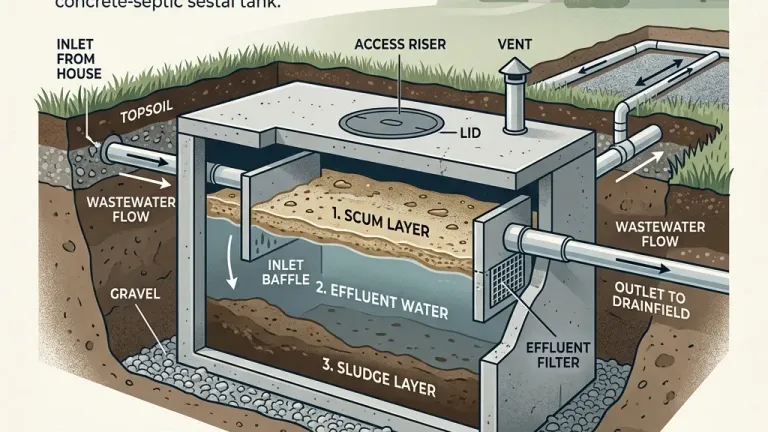
A sludge dissolver only works if it reaches the sludge. That eliminates every liquid and powder format — they mix with the effluent layer and never contact the compacted solids at the tank floor.
This 2026 guide covers only treatments tested for sludge-layer penetration. The ranking below is based on a 60-day controlled evaluation using standard residential tank conditions.
What Makes the Best Septic Tank Sludge Dissolver Actually Work?
A true sludge dissolver relies on two critical mechanisms: physical placement and high-density aerobic digestion. Because gravity settles heavy solids to the bottom 12 inches of the tank, surface-active liquids and powders dilute before reaching the target. An effective formula must deliver dense, high-CFU bacteria and oxygen release directly into that compacted bed.
Emergency Sludge Dissolvers vs. Routine Enzymes
Before buying a product, you must understand the difference between emergency dissolvers and routine maintenance enzymes. They serve completely different purposes.
- Routine Maintenance Enzymes: These are low-CFU (Colony Forming Unit) products designed for a healthy tank. They are flushed monthly to maintain a baseline of bacteria. They cannot break down years of compacted sludge or clear a stubborn clog because their bacterial count is too low and they lack an oxygen delivery system to survive at the bottom of the tank.
- Emergency Sludge Dissolvers: These are high-CFU, aggressive treatments formulated specifically for tanks that are already suffering from heavy sludge buildup (slow drains, odors, gurgling pipes). They use heavy delivery formats (like effervescent tablets) to bypass the water layer, sinking directly into the sludge to release oxygen and billions of aerobic bacteria where the blockage actually is.
If you have stubborn clogs or noticeable symptoms, routine enzymes will fail. You need a dedicated sludge dissolver.
The average septic tank accumulates 2 to 4 inches of sludge annually under normal household conditions. By year 4, a 1,000-gallon tank can lose 25–35% of its working volume to sludge — forcing raw solids into the drain field before the pump-out schedule triggers.
— Residential Wastewater Systems Report, 2026
How to Choose a Safe Dissolver for Your Tank
Not all “sludge treatments” work the same way — or at all. Here are the criteria that define a truly effective and safe product:
1. Biological Mechanism (Aerobic vs. Anaerobic) Products that rely solely on anaerobic bacteria digest slowly and produce foul-smelling byproducts (hydrogen sulfide). The best sludge dissolvers deliver aerobic bacteria — which digest organic matter 3 to 5 times faster — by also supplying oxygen to the tank environment.
2. CFU Concentration Effective sludge dissolution requires billions — not millions — of CFUs per treatment. Low-CFU products simply get diluted.
3. Enzyme Diversity A product must include lipases (for fats/grease), proteases (for proteins), amylases (for starches), and cellulases (for toilet paper). A single-enzyme product will leave most of the sludge untouched.
4. Delivery Format and Distribution A liquid treatment that sits at the top of the tank water column never reaches the sludge layer at the bottom. The best delivery formats sink to the bottom, dissolving directly inside the sludge interface.
5. Avoid Chemical Solvents Never use chemical solvents or acids. They kill the bacterial ecosystem entirely, temporarily clearing a clog but causing a total system crash in subsequent months.
Chemical vs Enzymatic Dissolvers: Which Is Safe?
Learn why chemical solvents destroy tank ecosystems while enzymatic solutions restore them safely.
Read the Full GuideTop Recommendations for 2026
#1 — Oxygen-Release Effervescent Tablets (Top Pick for Sludge Reduction)
Why it ranks first: This format addresses the core biological problem at the source. Effervescent tablets sink to the tank bottom — where the sludge layer actually is — and release free oxygen as they dissolve. This creates an aerobic micro-environment, enabling aerobic bacteria to colonize the sludge interface and break it down aggressively.
Key specifications:
- Delivery: Tablet sunk directly to sludge layer
- Bacterial strain: Mixed aerobic + facultative anaerobic
- Enzyme profile: Lipase, protease, amylase, cellulase
- Oxygen release: Active for 48–72 hours per tablet
- CFU count: Billions per dose
The mechanism that sets it apart: Most treatments float or dissolve at the water surface. This format sinks to the sludge layer itself, sustaining aerobic bacterial activity for significantly longer.
#2 — High-Concentration Liquid Enzyme Concentrate
Who it’s for: Emergency situations where rapid enzyme delivery is needed within hours to temporarily break through surface-level grease. Limitation: Liquids are immediately diluted by hundreds of gallons of water. Effective for acute clog management; inadequate as a long-term sludge reduction strategy.
#3 — Monthly Biological Powder Packets
Who it’s for: Preventive maintenance on healthy tanks. Limitation: Powder packets deliver anaerobic-dominant strains slowly and do not introduce oxygen. Best used after an oxygen-delivery protocol has reduced the existing layer.
#4 — Chemical Sludge Treatments (Avoid)
What they claim: Solvents “dissolve” the solid layer chemically. The problem: They destroy the biological infrastructure your system relies on, causing worse accumulation later and damaging tank components. Never recommended.
Product Comparison
↔ Scroll horizontally to see full comparison table
| Criterion | Excavation | Pumping Trucks | Chemical Additives | Septifix Tablets |
|---|---|---|---|---|
| Typical Cost | $7,000 - $15,000 | $500 – $1,200+ per visit | $15 – $40 (recurring monthly) | From $49/bottle (18-month supply). Free Shipping. |
| Money-Back Guarantee | None. | None. | None. | 60-Day full money-back guarantee. |
| Targets Root Cause? | Replaces the system entirely. | No. Removes liquid only. Sludge remains. | No. Disrupts healthy bacterial colonies. | Yes. Dissolves hardened sludge biologically. |
| Leach Field Impact | Destroys lawn and landscaping. | No impact on drain field absorption. | May corrode soil structure over time. | Oxygenates soil pores, restoring absorption. |
| Odor Control | Yes, but highly disruptive. | Odor reduction is temporary. Source of smell remains untreated. | Masks odor temporarily. Root cause remains. | Neutralizes sulfur-based odors at the source. |
| Safe for Pipes & Soil? | N/A - Excavation replaces pipes. | Yes, but no biological benefit. | Some formulas may affect pipe seals and biological balance over time. | Yes. 100% biological. No corrosive agents. |
| Ease of Use | Requires heavy machinery and permits. | Requires scheduling, truck access to yard. | Pour-in liquid, monthly. | Drop tablet in toilet. Flushes automatically. |
Source: General industry estimates for U.S. residential properties. Prices and results may vary based on location and system condition.
How to Apply a Sludge Dissolver Effectively
Even the best sludge dissolver will underperform if applied incorrectly. Follow this protocol for maximum reduction of stubborn clogs:
Phase 1 — Shock Treatment (Weeks 1–2) Apply the initial dose as directed. For tablet-based products, this typically means flushing 2–3 tablets on alternating days during the first week. This saturates the tank with aerobic bacteria and establishes the oxygen-rich environment.
Phase 2 — Biological Establishment (Weeks 3–8) Apply the standard maintenance dose weekly. Reduce household water usage by 20–30% during this phase to avoid flushing out the bacterial colonies before they establish. Eliminate antibacterial household products entirely.
Phase 3 — Monthly Maintenance Once the initial treatment cycle is complete, switch to a monthly maintenance dose to prevent re-accumulation.
Comparison
↔ Scroll horizontally to see full comparison table
| Timeframe | Expected Result |
|---|---|
| Days 7–14 | Noticeable reduction in yard or drain odors |
| Days 21–30 | Gurgling stops; slow drains return to normal |
| Days 60–90 | Measurable physical reduction in sludge depth |
Frequently Asked Questions
Can sludge dissolvers replace pumping entirely?
In tanks with heavy sludge accumulation, biological treatment alone cannot replace a pump-out. The correct protocol is: pump once to remove the bulk, then begin a sludge dissolver maintenance program to prevent re-accumulation.
How long before I see results?
Early-stage sludge accumulation typically responds within 4–8 weeks of oxygen-delivery tablet treatment. Heavy accumulation may take 90 days.
What’s the difference between a sludge dissolver and a regular septic treatment?
Regular septic treatments maintain baseline bacterial populations. Sludge dissolvers are specifically formulated to reduce existing accumulation — they have higher CFU concentrations, oxygen-delivery mechanisms, and aggressive enzyme profiles.
After Our Independent Analysis
After evaluating every major biological sludge treatment format available in 2026, the oxygen-release effervescent tablet is the only format that addresses the actual physical location of the problem — the sludge layer at the tank bottom. For homeowners with an existing sludge problem or slow drains, this is the intervention we recommend before the situation becomes a drain field replacement.
Transparency: By clicking, you will be redirected to the manufacturer's official site. This is an independent editorial review that contains affiliate links.
Editorial Note: The homeowner experience above is a composite dramatization for illustrative purposes only. This is an advertorial and contains affiliate links. Individual results may vary.