
How to Get Rid of Septic Odor in the House: Diagnostic Guide
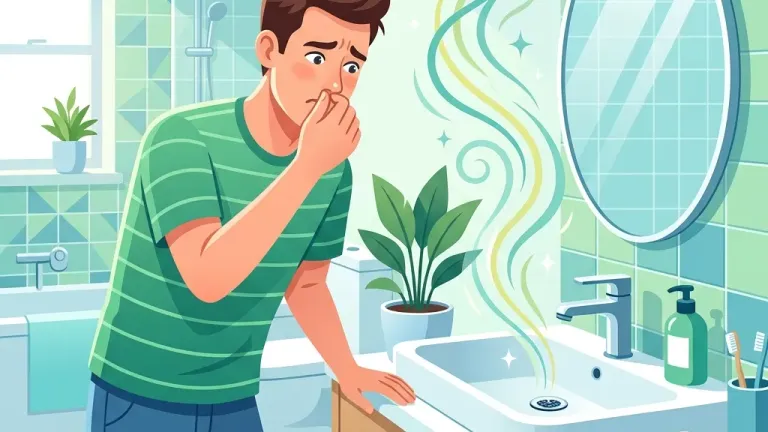
A faint whiff of rotten eggs while walking past the kitchen sink. A persistent sewage smell in the guest bathroom. When hydrogen sulfide gas (septic odor) enters your home, it is alarming, unpleasant, and potentially hazardous.
However, an indoor septic smell rarely means your actual septic tank has failed. Most of the time, the tank is functioning exactly as it should (producing gas as a byproduct of digestion), but your home’s internal plumbing has lost its ability to block that gas from entering the living space.
Here is how to diagnose and fix the source of indoor septic odors.
The Role of P-Traps and Vent Stacks
To stop the smell, you first need to understand how your plumbing is designed to prevent it. Every drain in your house (sinks, showers, toilets, floor drains) is connected to a single system that leads to the septic tank.
Without a barrier, the natural gases from the tank would simply float up the pipes and into your rooms. The barrier is the P-Trap—the U-shaped pipe under your sink. This curve holds a small amount of water at all times, creating an airtight seal that sewer gas cannot pass through.
Additionally, your plumbing has a Vent Stack that goes up through your roof. This allows sewer gas to escape safely outdoors and prevents negative pressure from pulling the water out of your P-traps when you flush a toilet.
If you smell sewage inside, one of these systems has failed.
Step 1: Check for Dry P-Traps (The Most Common Cause)
If the odor is localized to a specific bathroom, laundry room, or basement, a dry P-trap is the most likely culprit.
When a sink or shower isn’t used for several weeks, the water in the P-trap simply evaporates. The seal is broken, and sewer gas flows freely into the room. This happens frequently in guest bathrooms or basement floor drains.
The Fix: Run the water in every sink, shower, and bathtub for 30 seconds. Pour a bucket of water down any floor drains. This refills the traps and restores the airtight seal. The smell should dissipate within an hour.
Basement floor drains dry out quickly. Pour a cup of mineral oil down the drain after the water; the oil floats on top and significantly slows down evaporation.
— Industry service data, 2026. Individual costs vary by region and system size.
Step 2: Inspect the Wax Ring on Toilets
If the smell is isolated to a bathroom and the sink/shower traps are full, the toilet’s wax ring may have failed.
The wax ring sits between the base of the toilet and the floor flange, creating a watertight and airtight seal. If the toilet rocks when you sit on it, or if the wax ring has degraded over time, sewer gas can leak out from under the base.
The Fix: Check if the toilet wobbles. If it does, or if you suspect the ring is old, you must remove the toilet and install a new wax ring (or a modern rubber gasket). This is a simple DIY project that costs less than $20 in parts.
Step 3: Clear a Clogged Vent Stack
If the smell is present throughout the house, or if you hear a “gurgling” sound from your drains when you flush the toilet, your roof vent stack may be clogged.
When the vent is blocked (by leaves, snow, or a bird’s nest), flushing the toilet creates a vacuum in the pipes. This vacuum can physically suck the water out of nearby P-traps, breaking the seal and letting gas into the home.
The Fix: Safely access your roof and inspect the vent pipe (usually a PVC pipe sticking up above the bathrooms). Clear any visible debris. Plumbers can also run a snake down the vent to clear deep blockages.
Step 4: Rule Out a Failing Septic Tank
If you have checked the traps, the toilets, and the vent stack, and the odor persists, the problem may indeed be coming from an overwhelmed septic tank pushing gas backward into the home with such force that it bypasses the seals.
This usually occurs alongside other symptoms, such as slow drains across the entire house or wet patches in the yard.
8 Warning Signs Your Septic Tank is Full
Learn how to diagnose the physical symptoms before solid overflow destroys your drain field.
Read the Full GuideIf the odor is severe and persistent, and you suspect the tank’s biological balance is entirely off, you may need to implement a heavy biological restoration to stop the hydrogen sulfide production at the source.
Best Septic Tank Odor Eliminators
Discover the treatments that neutralize hydrogen sulfide gas at the source in 72 hours.
Read the Full GuideBy methodically checking these four areas, you can identify and eliminate indoor septic odors without unnecessary panic or expensive service calls.