
Does Bleach Kill Septic Tank Bacteria? The True Impact
The Chemistry of Bleach in a Septic Environment
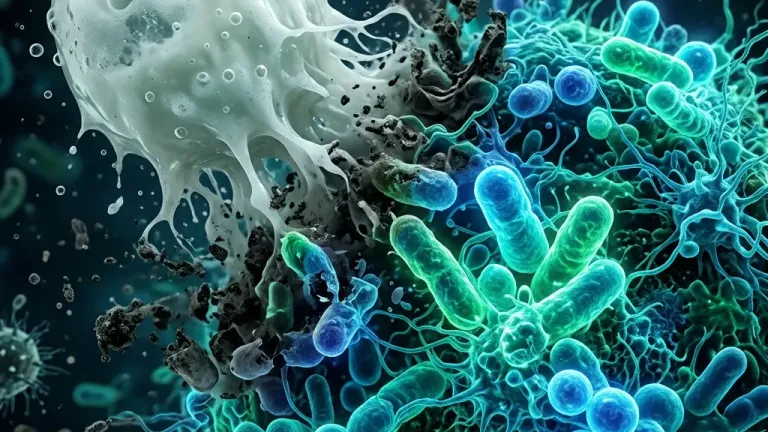
A septic tank is a living ecosystem. Its entire function depends on billions of naturally occurring bacteria breaking down solid organic waste into liquid effluent. When you ask if bleach is safe for a septic system, you are essentially asking if a potent chemical biocide is safe for a biological ecosystem.
The active ingredient in standard household bleach is sodium hypochlorite. Its primary function is to destroy cellular structures, which makes it an exceptional disinfectant. Unfortunately, it does not distinguish between harmful pathogens on your kitchen counter and the beneficial bacteria in your septic tank.
Dumping more than 1 cup of concentrated bleach down your drains in a single day can reduce your septic tank's active bacterial population by over 70%, temporarily halting all solid waste digestion.
— Industry service data, 2026. Individual costs vary by region and system size.
How Much Bleach Is Too Much?
The resilience of your septic system depends heavily on its size (typically 1,000 to 1,500 gallons) and the volume of water diluting the chemical.
Moderate Use (Generally Safe)
Using a standard 3/4 cup of bleach in a large load of laundry, diluted by 40 gallons of wash water, and spread out over the week (one bleach load per day) is generally tolerated by a healthy septic system. The massive dilution factor reduces the sodium hypochlorite concentration below the threshold of total ecological collapse, allowing the surviving bacteria to reproduce and recover.
Heavy Use (System Failure)
“Heavy use” occurs when multiple loads of bleached laundry are run on the same day, or when pure bleach is poured directly into toilets and sinks for cleaning. This creates a shock-load effect. The chemical concentration spikes, wiping out the bacterial colonies in the tank.
Signs Your Tank’s Biology Has Crashed
If you’ve recently used heavy amounts of bleach or antibacterial cleaners, watch for these warning signs:
- Persistent Odors: A healthy tank produces very little noticeable odor. A foul, rotten-egg smell inside or outside the home indicates that anaerobic bacteria (which produce hydrogen sulfide gas) are out of balance.
- Slow Drains: As digestion stops, solids accumulate rapidly, restricting flow through the inlet baffle.
- Frequent Pumping Needs: If you need to pump your tank more often than every 3 years due to solid buildup, chemical sterilization is a likely culprit.
8 Warning Signs Your Septic Tank is Full
Learn how to diagnose the physical symptoms before solid overflow destroys your drain field.
Read the Full GuideSafe Alternatives for Septic Owners
To protect your system while keeping your home clean, consider these septic-safe alternatives:
- Oxygen Bleach (OxiClean): Unlike chlorine bleach, oxygen bleach breaks down into oxygen and water, which is completely harmless—and sometimes even beneficial—to the aerobic bacteria in your tank.
- Baking Soda and Vinegar: For household cleaning and drain maintenance, this classic combination is non-toxic to your bacterial ecosystem.
- Enzymatic Cleaners: These use naturally occurring enzymes to break down stains and odors without harming the septic biology.
How to Recover from a Bleach Shock
If you suspect your tank’s biology has been compromised by bleach or other harsh chemicals, you must actively restore the bacterial population. Pumping the tank will remove the dead solids, but it won’t replace the bacteria.
You need to introduce a high-CFU biological treatment to reseed the tank.
Best Septic Tank Treatments to Restore Biology
Discover the top-rated treatments for restoring your tank's ecosystem after a chemical shock.
Read the Full GuideBy managing your bleach usage and utilizing biological support when needed, you can maintain a healthy, functional septic system for decades.